

What brands need to get right to win in social commerce this year
TikTok Shop has moved far beyond experimentation. In 2026, it is one of the most powerful commerce engines globally, reshaping how consumers discover, evaluate, and purchase products.
According to ShortForm Nation, TikTok Shop is projected to generate $23.4 billion in US ecommerce sales, with a 4.7% conversion rate, more than double Instagram Shopping. The same report highlights that social commerce has now become a core revenue driver, not just an awareness channel.
The model is simple but disruptive. Content, creators, and checkout all happen in one place. TikTok Shop enables users to move from inspiration to purchase without ever leaving the app, redefining what ecommerce looks like.
At the same time, TikTok is accelerating its expansion across Europe. After launching in markets like France, Germany, Italy, Spain, and the UK, the platform is now expected to expand into additional countries such as the Netherlands, Belgium, Sweden, and Poland .
This creates a massive opportunity for brands. But it also introduces new complexity.
This article breaks down the TikTok Shop trends actually converting in 2026, combining industry research with what we are seeing on the ground working with brands scaling globally.
The traditional ecommerce funnel no longer applies to TikTok Shop.
There is no separation between discovery, consideration, and purchase. Everything happens inside the feed. Users see a product, understand it through content, and buy instantly.
This shift is fundamental because it changes what drives conversion.
The implication is clear. Content is no longer just marketing. It is the entire buying experience.
In 2026, high production value does not equal high performance.
According to TikTok trend insights, TikTok users respond to content that feels real, relatable, and honest. They want to understand how products work in everyday life, not in a studio.
This is where agencies like Unsociable, a TikTok Shop specialist, are seeing strong results by helping brands produce content that feels native to the platform rather than overly polished.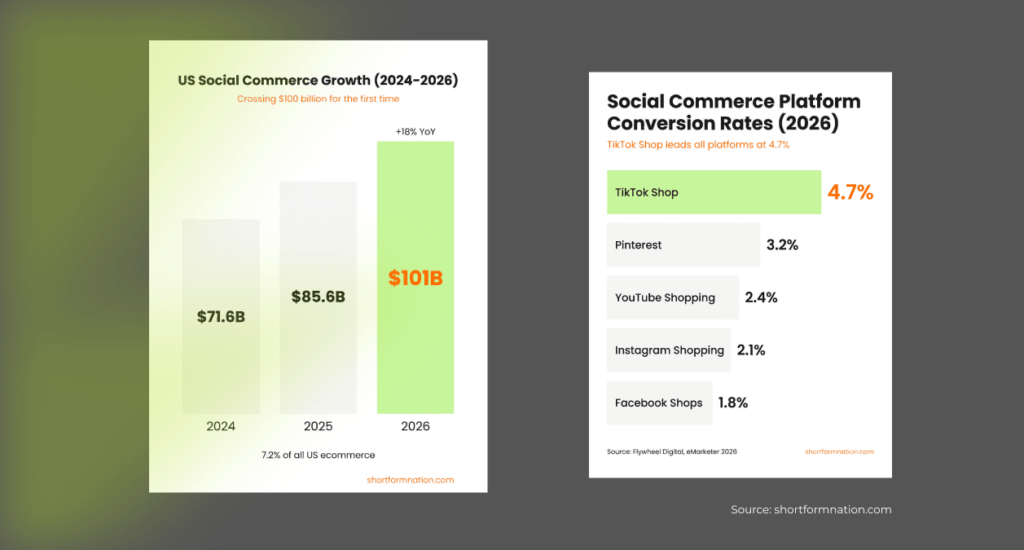
Authenticity is now directly tied to conversion. The closer content feels to a real experience, the higher the trust and the higher the sales.

Creators are no longer just amplifiers. They are becoming full distribution channels.
TikTok Shop’s affiliate model allows brands to scale through networks of creators who actively sell products. This is one of the biggest growth drivers in 2026.
Platforms like Cruva are helping brands structure and scale these ecosystems. Their approach highlights a key reality. Finding the right affiliates is not about follower count. It is about identifying creators who already convert within a niche and building repeatable collaboration models.
The most successful brands are building creator engines, not campaigns. They focus on repeatable revenue rather than one-time visibility.
Reach alone does not drive revenue anymore.
Brands that win on TikTok Shop are building communities, not just audiences. They focus on engagement, repeat interactions, and trust over time.
This shift is especially visible in niche categories where smaller but highly engaged communities outperform mass audiences.
Community creates familiarity. Familiarity creates trust. And trust drives conversion.
Live commerce continues to gain traction across TikTok Shop, especially in Europe.
The format combines entertainment, urgency, and direct interaction. It allows brands and creators to answer questions in real time and push immediate purchases.
TikTok has built strong live shopping capabilities directly into the platform, making it easier for brands to sell through interactive sessions .
Live shopping brings back a human layer to ecommerce. It creates urgency and builds trust at the same time.
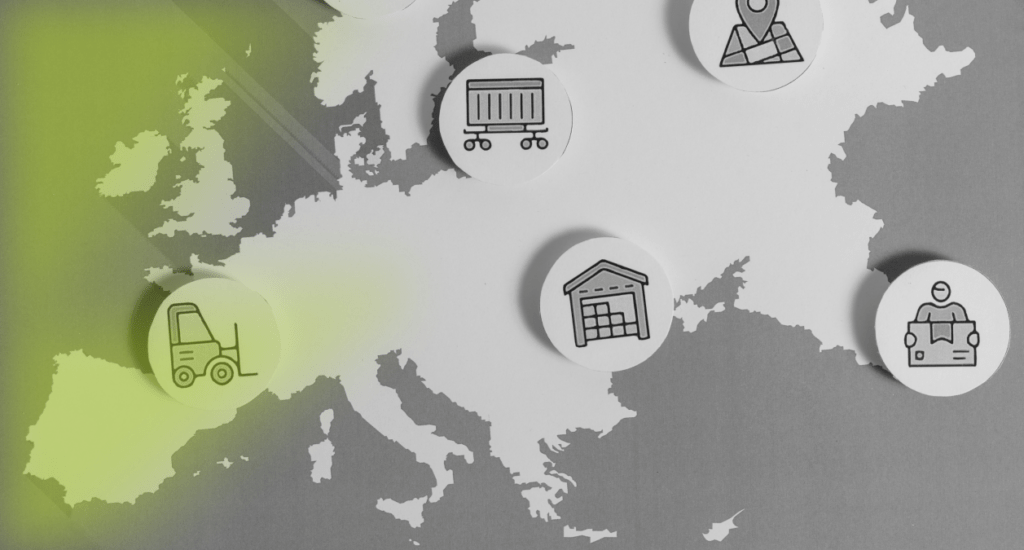
TikTok Shop’s expansion into Europe is one of the most important trends for 2026.
The platform has already launched in several major markets and is continuing to scale aggressively. New countries are expected to come online soon, further accelerating adoption across the region .
At the same time, Europe still represents a relatively small share of TikTok Shop’s global GMV. This means the market is still early.
This creates a clear opportunity. Brands that move early can capture demand before the market becomes saturated.
As brands expand across multiple TikTok Shop markets, operational complexity increases.
Each country introduces new requirements. Tax regulations, payment flows, compliance, and logistics quickly become barriers to scaling.
This is why infrastructure is becoming a key differentiator.
The Merchant of Record model is gaining traction because it allows brands to:
Solutions like ExpandNow enable brands to handle these complexities behind the scenes, making it possible to scale TikTok Shop operations across multiple countries without slowing down growth.
In a fast-moving channel like TikTok Shop, speed matters. Infrastructure is no longer just operational. It directly impacts revenue.
TikTok Shop is not just another ecommerce channel. It is a new model of commerce built around content, creators, and community.
Success in 2026 depends on aligning three key elements:
The brands that win are not necessarily the biggest. They are the ones that move fastest, adapt quickly, and remove friction from their operations.
Because in TikTok Shop, conversion is no longer just about what you sell. It is about how you show up, who sells it for you, and how fast you can scale.
If you’re exploring how to expand beyond one market, you might find this useful:Scaling TikTok Shop Internationally: 11 Questions Successful Brands Ask Us
